
Enhancing Architectural Visions - The Synergy of Kitchen Designers and Architects in Creating Functional Spaces
Written by: Shawn Swart Save to Instapaper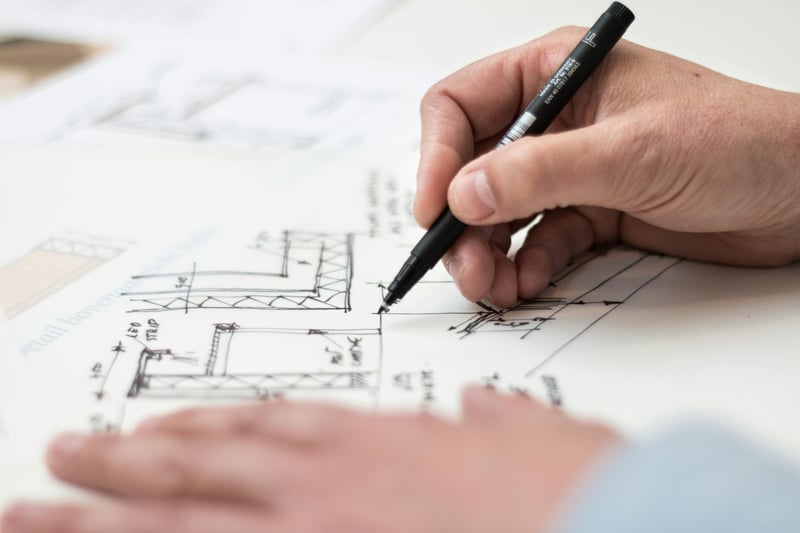
In the evolving landscape of home and commercial design, the collaboration between kitchen designers and architects is proving essential for delivering spaces that blend aesthetics, functionality, and innovation. As demands for personalized interiors rise, this partnership ensures seamless integration of kitchen and wardrobe elements into broader architectural plans, resulting in environments that enhance daily living and property value.
Kitchen design and wardrobe design are no longer isolated elements but integral components of architectural projects. Architects bring structural expertise, while kitchen designers contribute specialized knowledge in ergonomics, storage solutions, and material durability. This collaborative approach addresses the growing need for multifunctional spaces, where kitchens serve as social hubs and wardrobes as organized sanctuaries. By working together early in the planning phase, professionals can avoid costly revisions, ensuring that plumbing, electrical layouts, and spatial flow align perfectly with the overall blueprint.
Design Synergy: Harmonizing Vision and Practicality
At the heart of successful collaborations lies design synergy, where architects and kitchen designers merge creative visions to produce cohesive results. Architects often focus on the big picture—structural integrity, natural light, and flow between rooms—while kitchen designers refine the details, such as cabinetry placement, countertop materials, and appliance integration. This synergy fosters innovative solutions, like open-plan kitchens that double as entertainment areas or built-in wardrobes that maximize awkward spaces in modern homes.
For instance, in residential projects, architects might envision a minimalist aesthetic, and kitchen designers can enhance it with sleek, handleless cabinets or smart storage systems that maintain clean lines. In commercial settings, such as hospitality venues, this partnership ensures compliance with safety standards while incorporating efficient workflows. The result is a unified design language that elevates the entire property, making it more appealing to homeowners, developers, and investors alike.
Bespoke Solutions: Tailoring to Unique Needs
Bespoke solutions are a cornerstone of effective collaboration, allowing for customizations that reflect individual lifestyles and architectural constraints. Kitchen designers excel in creating personalized layouts, from modular islands to ergonomic workstations, while architects ensure these fit within the building's framework. This tailored approach extends to wardrobe design, where custom fittings can transform closets into efficient, luxurious storage areas.
By consulting closely, teams can incorporate client preferences, such as eco-friendly materials or smart home integrations, without compromising structural elements. For example, in heritage renovations, designers might craft wardrobes that blend vintage charm with modern functionality, aligning with the architect's preservation goals. This level of customization not only meets budget requirements but also adds long-term value, turning standard spaces into standout features.
Technical Expertise: Bridging Knowledge Gaps
Technical expertise from kitchen designers complements architects' skills, particularly in areas like ventilation systems, load-bearing considerations, and material specifications. Designers bring insights into the latest hardware, such as soft-close mechanisms or moisture-resistant finishes, ensuring durability in high-traffic areas. Architects, in turn, provide guidance on zoning regulations and energy efficiency, creating a robust foundation for implementation.
This exchange is crucial for complex projects, where wardrobe installations might involve electrical wiring for lighting or integrated laundry systems. Collaborative tools like 3D modeling software allow both parties to visualize and refine designs, minimizing errors and enhancing precision. Ultimately, this shared expertise leads to safer, more sustainable outcomes, benefiting end-users with reliable, low-maintenance spaces.
Reliable Execution: From Concept to Completion
Reliable execution seals the success of any project, with kitchen designers and architects coordinating timelines, subcontractors, and quality checks. Designers handle sourcing and installation, while architects oversee site preparation and compliance. This partnership ensures projects stay on schedule, with clear communication preventing delays in plumbing or electrical work.
Post-installation support, including warranties and maintenance advice, further solidifies trust. In fast-paced markets, this reliability translates to client satisfaction and repeat business, as seamless execution turns ambitious designs into reality.
Homestead Kitchens exemplifies these principles, offering comprehensive services that embody design synergy, bespoke solutions, technical expertise, and reliable execution. Based in East London and Gqeberha, the company collaborates seamlessly with architects, interior designers, and builders to deliver stunning kitchen and wardrobe installations. With a focus on open open and transparent communication, high-quality materials and installations, and a 12-month workmanship guarantee, Homestead Kitchens guides clients throughout each step, ensuring every project exceeds expectations.
Submitted on behalf of
- Company: Homestead Kitchens
- Contact #: 0604252112
- Website
Press Release Submitted By
- Agency/PR Company: Homestead Kitchens PR
- Contact person: Shawn J Swart
- Contact #: 0604252112
- Website
Get new press articles by email
Homestead Kitchens is a premier kitchen and wardrobe design company based in East London, South Africa, proudly serving the Eastern Cape, including Gqeberha and Mthatha. We specialize in crafting bespoke kitchens, wardrobes, TV units, bathroom units, offices, and shopfitting, delivering stunning, functional, and durable solutions. Committed to service excellence, we use top-quality materials and... Read More
Latest from
- The Power of Partnership - How Client-Service Provider Collaboration Transforms Kitchen and Wardrobe Projects
- Enhancing Property Appeal - How Kitchen Designers and Real Estate Agencies Can Collaborate on Custom Kitchen and Wardrobe Solutions
- Unlocking Synergies - How Kitchen Designers and Building Contractors Collaborate for Exceptional Kitchens and Wardrobes
- The Art of Transforming South African Kitchens - The Crucial Role of Site Preparation
- The Five C's of Kitchen Transformation - Your Guide to a Seamless Renovation Journey
- Not All Apples Are Equal - Why Choosing the Right Kitchen Service Provider Matters
- Elevate Your Space - Homestead Kitchens Redefines Eastern Cape Home Aesthetics
The Pulse Latest Articles
- World Whisky Day: Whisky Lovers Challenged To Stop Saving Their Best Bottles (May 15, 2026)
- Hidden Inefficiencies Are Draining South African Businesses (May 15, 2026)
- Medical Cannabis In Sa: What Section 21 Means (May 14, 2026)
- Mega Evolution Returns With Chaos Rising (May 14, 2026)
- Setting The Beat Of Water: 125 Years Of Hansgrohe Innovation (May 14, 2026)