
Self-Medication a growing trend for cash-strapped consumers
Written by: MyPressportal Team Save to Instapaper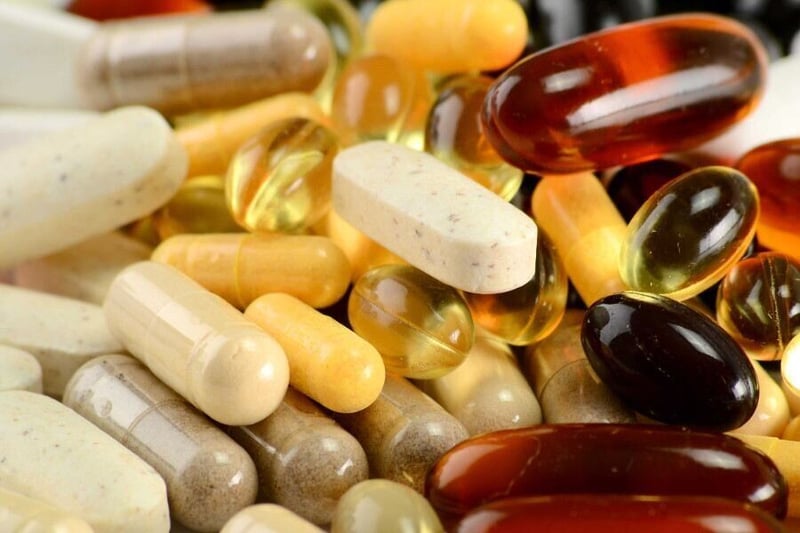
Rising cost of health care in tough economic times fuels self-care movement
Johannesburg, 21 July 2017 – Many South Africans are turning to self-medication with the aim of building up their immune systems in the flu and allergy season. Anti-flu tablets, cough medicines and antihistamines are some of the over-the-counter meds people are using in a bid to avoid having to pay excruciating prices for a visit to the doctor.
The rising cost of health care means that many South Africans have far less money to spend on treatments for illness. Consumers are thus increasingly opting for self-medication, a trend encouraged by widening access to the internet. A growing number of people are researching their health concerns and potential remedies online, even before seeking the advice of pharmacists. This trend is increasing consumers' confidence in their ability to self-medicate.
“We’ve seen a huge increase in spend on natural health products, complementary and alternative medicines. This is a clear indicator that consumers are looking to alternative ways to stay healthy and prevent expensive hospital visits,” says Bruce Dennison, president of the Health Products Association of South Africa (HPASA), a body that protects consumers against exploitation by unethical practices. Launched in 1976, the HPASA has long been at the forefront of the natural health products, nutritional dietary supplements and complementary and alternative medicines (CAMs) industries, and represents a broad spectrum of stakeholders, including manufacturers, wholesalers, distributors, retailers and practitioners.
A contributing factor to this self-medication trend may be South Africa’s rising unemployment figures, which increase the fear of job losses and make those lucky enough to be in employment reluctant to take time off work to visit the doctor. “This has notably benefited areas such as cough remedies and combination products in analgesics and cough, cold and allergy (hay fever) remedies,” says Dennison.
Self-medication isn’t the only route out of poor health, however. “People are realising that their illnesses could be linked to their diet and they’re therefore starting to make smarter nutritional choices,” says Andrea du Plessis, nutritional expert at Vital Health Foods. She points out that heart disease and diabetes are just two illnesses that can be linked to unhealthy food choices. A change in diet could save consumers money as this could ultimately result in their spending less money in the doctor’s room.
Other optional – and expensive – lifestyle habits, such as drinking alcohol and smoking, contribute to poor health. According to the World Health Organization, South Africa is one of the top 20 biggest alcohol-drinking nations in the world, and the third-biggest in Africa. With “sin taxes” on booze and cigarettes having increased this year, it makes all-round financial sense to quit both.
About Health Products AssociationThe Health Products Association (HPA) is a non-profit organisation committed to developing and maintaining standards that support and foster the quality, safety and efficacy of natural health products, nutritional dietary supplements, and complementary and alternative medicines (CAMs). The HPA strives to establish an ethical, credible, relevant and vibrant health products industry in South Africa.
The HPA is the voice for the health industry, and promotes ethical behaviour, good manufacturing practices and advises on responsible regulations.
The HPA has assisted in researching and preparing a significant amount of international research relating to current developments in natural health products, nutritional supplementation, CAMs, nutrition and dietetic fields. The HPA is a founding member of the International Alliance of Dietary/Food Supplement Association (IADSA).
Get new press articles by email
We submit and automate press releases distribution for a range of clients. Our platform brings in automation to 5 social media platforms with engaging hashtags. Our new platform The Pulse, allows premium PR Agencies to have access to our newsletter subscribers.
Latest from
- South Africa Launches Comprehensive AI Policy Built On Ethics Innovation And Inclusive Development
- White Star Launches Real Homemakers Initiative To Celebrate Caregivers And Community Champions
- Angola Oil And Gas Conference Returns As Sector Enters New Phase Of Growth And Investment
- Investment Conference Delivers Record Commitments To Fuel Growth Jobs And Economic Recovery
- Brazil Africa Energy Nexus Emerges As Key Driver Of Offshore Investment And Project Delivery
- Standard Bank And National Arts Festival Announce 2026 Young Artist Award Winners
- Air Cargo Demand Climbs Sharply In February As Industry Navigates Fuel Costs And Conflict Risks
- CFAO South Africa Reports Resilient Performance Through Diversification And Cost Focused Strategy
- Caribbean Energy Week Brings Leaders Together To Advance Oil Projects Renewables And Regional Growth
- Pantry Introduces Enhanced Pop Up Experience In Sandton With Focus On Quality And Convenience
- TotalEnergies Invests In West Coast Entrepreneurs Through Training Mentorship And Enterprise Support
- GIBS Highlights Importance Of Human Centred Leadership In Times Of Uncertainty And Change
- Sars Delivers Above Target Revenue Performance Amid Tough Economic And Global Conditions
- Industry Warns Of Growing Illicit Alcohol Trade Amid Rising Costs And Easter Demand Surge
- Khoi Tech Leads Innovation In Africa With Locally Developed Wearables And Integrated Health Platforms
The Pulse Latest Articles
- Bright Beginnings Preschool Celebrates Linden Campus (April 2, 2026)
- Female Founders Announce Launch Of South Africa’s Premium Brand Advisory Firm: Aura (April 2, 2026)
- Ai Fraud Defence Launches In South Africa As Deepfakes Hit Financial Institutions (April 1, 2026)
- Influencers Share Their Favourite Holiday Games (March 26, 2026)
- Procurement Can Buy Pr. It Cannot Buy Judgement. (March 25, 2026)