
Psoriasis and Ethnic Diversity
Written by: MyPressportal Team Save to Instapaper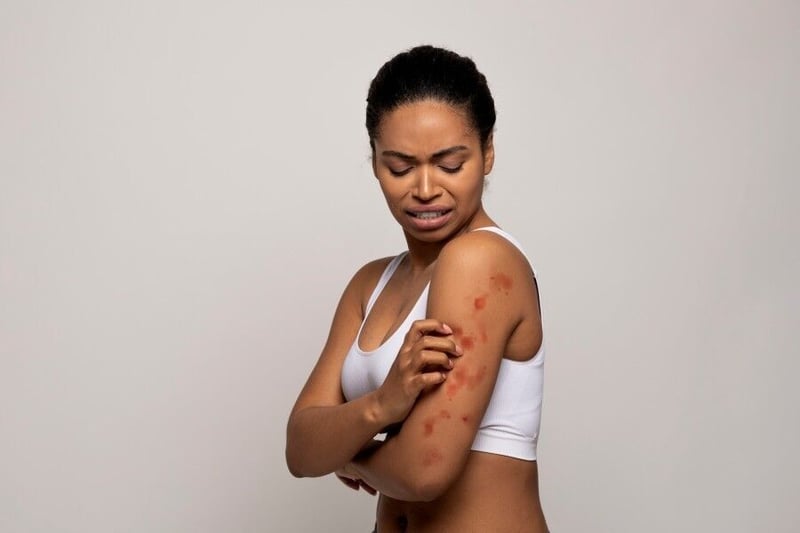
By: Ahmed El Hofy General Manager for South Africa for The Janssen Pharmaceutical Companies of Johnson & Johnson
JOHANNESBURG, February 21st, 2024 – Psoriasis, a chronic skin condition affecting millions worldwide, has long been a topic of concern in the medical community, in that no cure has been discovered, although there are various options available to lessen its symptoms.1
Characterized by hardened skin and itchy, scaly patches, psoriasis is a result of the immune system mistakenly attacking healthy skin cells.2 While the exact cause remains elusive, researchers have delved into the intriguing interplay between genetics, environment, and ethnicity. There have also been studies undertaken as to disparities in its prevalence and severity among different racial and ethnic groups.3
The bottom line is that psoriasis knows no boundaries – it can affect anyone, regardless of race or ethnicity. Research does suggest, however, that certain ethnic groups might be more susceptible to this condition than others.4
Historically, psoriasis has been considered to be less common in people of African, Hispanic, and Native American descent, in comparison to Caucasians. Psoriasis appears to be most common in the northern countries of Europe, with Norway topping the list. East Asia appears to have the lowest incidence.5
However, it's essential to note that these trends can change over time because of various factors, such as lifestyle changes, environmental factors, and genetic interactions.More recent studies are suggesting that psoriasis might be underdiagnosed in African populations because of differences in healthcare access, underreporting, or even misdiagnosis, in lower income districts.6 Additionally, the genetic diversity within Africa is vast, so the umbrella term of “African” is not a precise one, when it comes to the accurate reporting of genetic difference. Healthcare professionals and researchers continue to investigate in a more focused fashion, in the quest to provide better insights into the condition's prevalence among different populations.6
The reasons behind the ethnic disparities between psoriasis patients are complex and multifaceted. Genetic predisposition does indeed play a significant role, with specific genetic markers associated with psoriasis having been identified in different population groupings. For instance, variations in the HLA-C gene have been linked to a higher risk of psoriasis in Caucasians, whereas genetic factors such as the PSORS1 locus have been found to be more prevalent among individuals of South Asian descent.7
And then environmental factors have also been reported to exacerbate these genetic predispositions. Climate, lifestyle, and socioeconomic status all contribute to the intricate web of psoriasis susceptibility. Studies have shown, for example, that psoriasis cases rise in colder, less sunny regions.8
This is possibly the result of reduced exposure to sunlight; a natural source of vitamin D, which plays a role in skin health. Lifestyle factors such as smoking, excessive alcohol consumption, and stress have also been linked to the onset and severity of psoriasis.8 These factors are often allied to one’s cultural environment.
Limited access to healthcare, education, and resources, particularly among marginalised communities, can lead to delayed or mistaken9 diagnoses, and therefore the inadequate management of symptoms. Addressing these disparities requires a holistic approach that combines medical intervention, education, and awareness campaigns that are specifically tailored to different ethnic groups.Raising awareness about psoriasis is a crucial first step, and culturally sensitive educational initiatives can debunk myths and misconceptions, thus encouraging affected individuals to seek medical help without fear of social stigma.
Furthermore, both governmental and private medical bodies should encourage research that focuses on understanding the unique genetic and environmental factors contributing to psoriasis within different population groupings. By adopting this more specific and targeted approach, scientists will hopefully get closer to developing therapies that are tailored to – and therefore more effective for – populations of specific genetic profiles. This way, outcomes can be improved for patients across diverse populations.
In the quest for equality in healthcare, it is imperative that we acknowledge and address the disparities in psoriasis prevalence and severity among different ethnic groups. By fostering a collaborative environment that includes healthcare professionals, researchers, policy makers, and communities, we can bridge the gap in psoriasis care. Together, we can ensure that no individual falls outside of the metaphorical radar, and everyone, regardless of ethnicity,10 receives the support and treatment that he or she requires to manage this chronic condition effectively.
-- ENDS --1 WebMD. Psoriasis Treatments: How to Get Rid of Psoriasis. https://www.webmd.com/skin-problems-and-treatments/psoriasis/understanding-psoriasis-treatment2 Cleveland Clinic. Psoriasis. https://my.clevelandclinic.org/health/diseases/6866-psoriasis3 WebMD. Who Get Psoriasis? Age, Sex, Race, and Ethnicity. https://www.webmd.com/skin-problems-and-treatments/psoriasis/who-gets-psoraisis4 New Life Outlook Psoriasis. Psoriasis and Ethnicity: How Ethnicity Impacts Psoriasis Development. https://psoriasis.newlifeoutlook.com/psoriasis-and-ethnicity/5 Very Well Health. How Many People Have Psoriasis? https://www.verywellhealth.com/how-common-is-psoriasis-5220875#toc-where-is-psoriasis-most-common6 Dermatology Times. Psoriasis Strategies in Skin of Color. https://www.dermatologytimes.com/view/psoriasis-strategies-in-skin-of-color 7 Function Frontiers in Genetics. “HLA-C: evolution, epigenetics, and pathological implications in the major histocompatibility complex”. https://www.frontiersin.org/journals/genetics/articles/10.3389/fgene.2023.1206034/full8 Mayo Clinic. Psoriasis. https://www.mayoclinic.org/diseases-conditions/psoriasis/symptoms-causes/syc-203558409 WebMD. What’s Behind Plaque Psoriasis Misdiagnoses in People of Color? https://www.webmd.com/skin-problems-and-treatments/psoriasis/features/poc-misdiagnosis-plaque-psoriasis10 Black Health Matters. Black Skin, Missed Diagnosis: The Psoriasis Problem We Need to Talk About. https://blackhealthmatters.com/black-skin-psoriasis/
-- ENDS --
About the Janssen Pharmaceutical Companies of Johnson & JohnsonAt Janssen, we're creating a future where disease is a thing of the past. We're the Pharmaceutical Companies of Johnson & Johnson, working tirelessly to make that future a reality for patients everywhere by fighting sickness with science, improving access with ingenuity, and healing hopelessness with heart. We focus on areas of medicine where we can make the biggest difference: Cardiovascular & Metabolism, Immunology, Infectious Diseases & Vaccines, Neuroscience, Oncology, and Pulmonary Hypertension. Learn more at https://www.janssen.com/southafrica.
Get new press articles by email
We submit and automate press releases distribution for a range of clients. Our platform brings in automation to 5 social media platforms with engaging hashtags. Our new platform The Pulse, allows premium PR Agencies to have access to our newsletter subscribers.
Latest from
- 7 Business Trends Your SME Can Leverage In 2026
- Sadilar Amplifies Visibility And Impact During Conference Season
- Future-ready Logistics- 5 Shifts TO Watch In 2026 (SUB-saharan Africa)
- Dunlop Urges Motorists To Prioritise Tyre Safety On The Busy Joburg To Cape Town Festive Route
- Poverty Trends Report Shows National Progress But Flags Growing Challenges In Gauteng
- SDG Challenge SA 2025 Highlights The Power Of Youth Innovation In Shaping A Sustainable Future
- Experienced Industry Leader Pauli Van Dyk Named Dean Of AFDA’s Upcoming Hatfield Campus
- South Africans Keep Tourism Alive As Homegrown Travel And Local Spending Rise
- Pretoria Student Wins Global Excel Esports Competition
- AfDB Steps Up Support For Somalia With $76m Investment In Roads And Regional Integration
- Corporate Law Experts Warn Directors Of Serious Consequences For Improper Transaction Approval
- New 3% Inflation Target Begins To Shift Expectations In South African Economy
- Retail As A Development Catalyst Drives New Africa Developments’ Inclusive Growth Strategy
- Collaborative SEF Model Shows How Civil Society And State Can Rebuild Economic Trust
- Shumani Accelerates Industrial Growth With Bheka Forklifts And New Equipment Plans For 2026
The Pulse Latest Articles
- Education Is The Frontline Of Inequality, Business Must Show Up (December 11, 2025)
- When The Purple Profile Pictures Fade, The Real Work Begins (December 11, 2025)
- Dear Santa, Please Skip The Socks This Year (December 10, 2025)
- Brandtech+ Has 100 Global Creative Roles For South African Talent (December 9, 2025)
- The Woman Behind Bertie: Michelle’s Journey To Cape Town’s Beloved Mobile Café (December 9, 2025)