
Southern Africa's Low-Footprint Lodges Answer Luxury Travel's Sustainability Shift
Written by: Sophie Baker Save to Instapaper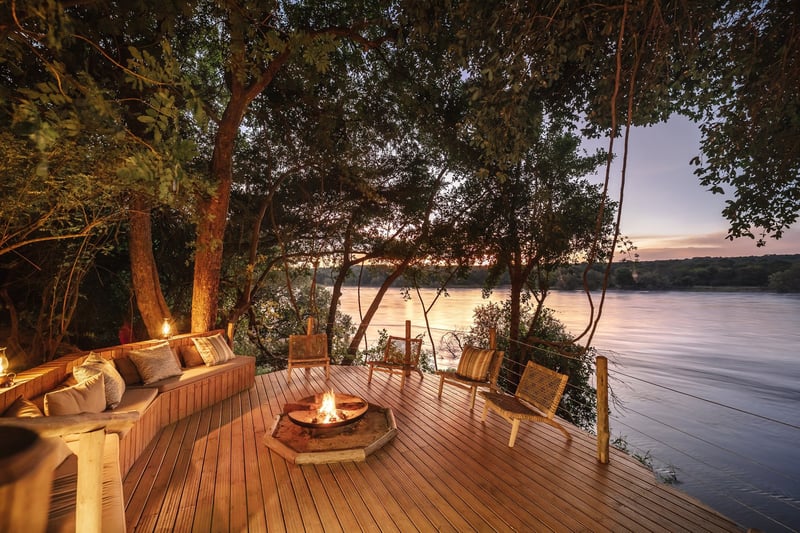
Luxury travel is changing, but not in the way resorts once predicted. Bigger is no longer better, and excess is no longer the marker of status it once was. Across Southern Africa, high-end travellers are increasingly choosing smaller lodges that build lightly, leave little behind, and operate with restraint. But that doesn’t mean compromising on the experience.
Recent industry research reflects this. The Virtuoso Luxe Report identifies sustainability as a growing driver of luxury travel decisions, while American Express Travel’s Global Travel Trends Report notes rising demand for trips that support conservation and local communities in practical ways, not just on paper. This shift is accelerating into 2026, as travellers increasingly prioritise environmental impact over amenity count when choosing accommodations.
For Isibindi Africa, this approach is not new. Its lodges were built around a simple idea: luxury should fit the environment, not dominate it. Thonga Beach Lodge and Tsowa Safari Island show how this philosophy plays out for travellers looking for luxury without high impact.
Thonga Beach Lodge sits inside South Africa’s UNESCO-listed iSimangaliso Wetland Park, where development is tightly controlled. Guest numbers are capped, structures are raised on wooden stilts, and lodge lighting is carefully managed so it cannot be seen from the beach. This is critical during turtle nesting season, when artificial light can disrupt nesting patterns. As a result, turtle sightings are never promised or staged. They happen, or they don’t, on nature’s terms.
On the Zambezi River, Tsowa Safari Island follows a similar logic. The camp is limited to nine safari tents, hosting a maximum of 18 guests at a time. It runs entirely on solar power, and water is drawn from the river, filtered on site, and returned to the environment using bio-friendly systems that allow natural soil filtration.
“Low-footprint luxury starts with knowing when to stop,” says Lucy Cooke, Group Marketing Manager at Isibindi Africa. “At both Thonga and Tsowa, the focus is on getting the fundamentals right. That means limited scale, thoughtful design, and letting the environment lead. Guests notice when a place feels considered rather than overbuilt, and many now expect that.”
That philosophy carries through to daily operations. At Thonga, single-use plastics have been aggressively reduced. Guest amenities are refillable and stored in glass or recycled bottles. Packed lunches use reusable containers. Disposable items such as plastic straws, shower caps, and excess packaging have been removed entirely. Guests are also encouraged to take part in coastal care initiatives, including informal beach clean-ups through the lodge’s “take trash, leave tracks” programme.
Water use is treated with the same care. Thonga actively encourages conservation among guests and manages a water plant that supplies clean water to the nearby Mabibi community, serving around 800 households with more than 80,000 litres per month. At Tsowa, water management is shaped by the island setting, with careful sourcing, filtration, and environmentally safe disposal built into daily operations.
Construction decisions were equally deliberate. At Thonga, thatched roofs and locally familiar building methods help the lodge sit naturally within its dune-forest setting, while also supporting local artisans. At Tsowa, no trees were removed during construction. The owners camped on the island before building began to determine placement, and the lodge was built around existing vegetation, including a large termite mound that remains part of the landscape.
Community involvement is not treated as a side project. At Thonga, 93% of the team comes from the local Mabibi community and is supported through training and skills development. The Isibindi Foundation has invested in local schools, infrastructure, and conservation work linked to iSimangaliso Wetland Park. At Tsowa, support extends to neighbouring communities through clean water access, agricultural guidance, and partnerships with park authorities focused on anti-poaching and snare removal.
As travellers are beginning to take a harder look at what sustainable luxury really means, Thonga Beach Lodge and Tsowa Safari Island offer a clear example: high-end, experiential-driven travel that works because it knows its limits.
Get new press articles by email
The Pulse Latest Articles
- Sotru Launches To Stop Supplier Fraud At The Moment Of Payment (June 23, 2026)
- The Death Of The Dinner Party? Why South Africans Are Choosing Convenience Over Traditional Entertaining (June 23, 2026)
- Wildbeest Media Launches 2026 Tourism Marketing Campaign Service For South African Travel Brands (June 22, 2026)
- Opinion Piece: The Chair Is Not The Person: A Ceo’s Hardest Leadership Lesson (June 22, 2026)
- Pura And Soweto Cyclists Celebrate Youth Day 50 Years After The 1976 Uprising (15) (June 18, 2026)