
Choosing the Right Wrapping and Sealing Equipment for Your Operations
Written by: Josh Maraney Save to Instapaper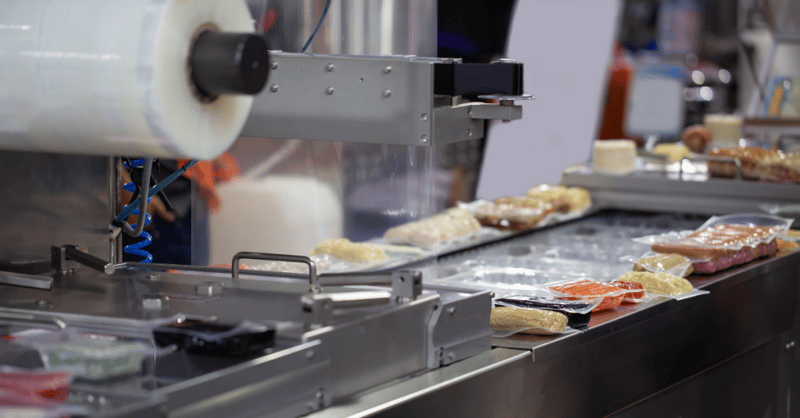
When packaging goods for transport or storage, having the right equipment can make the process quicker, safer, and more reliable. From wrapping pallets to sealing boxes, each machine plays a role in protecting your products and keeping everything organised.
Why Wrapping Matters in Bulk Handling
In many industries, securing goods before shipping is a top concern. Loose loads can lead to breakage, delays, or safety problems. Using a pallet wrapper helps keep stacked products stable and secure. It wraps plastic film tightly around the goods, which stops them from shifting while in transit or on shelves.
A well-functioning wrapper improves the speed of handling and reduces waste. Manual wrapping often results in uneven film use or inconsistent tension. With a machine doing the job, each pallet gets the same firm wrap every time. That consistency matters, especially when moving fragile or expensive stock.
Benefits of a Reliable Sealing Machine
Packaging is not just about wrapping. Boxes, bags, and bundles often need to be closed tightly to stop items from spilling or being tampered with. This is where a sealing machine comes in.
These machines apply heat or pressure (or both) to seal packaging materials like plastic or foil. They’re widely used in food packing, electronics, and retail. A machine seal is stronger and more consistent than hand-sealing methods. It also speeds up the line, especially when handling a large number of packages in a short time.
For example, in a small warehouse that ships items daily, relying on tape or staples would slow things down. A good sealing machine can finish each pack in seconds, keeping work flowing smoothly.
Using a Shrink Wrapper for Protection and Presentation
Sometimes, it’s important for packaging to look clean and professional. A shrink wrapper covers items with a thin layer of film that shrinks tightly when heated. This film protects the product from dust, moisture, or tampering.
Shrink wrapping is common for consumer goods like books, cosmetics, or electronics. It helps products look fresh on shelves while keeping them safe. This kind of packaging also reduces the risk of missing pieces in sets, such as when bundling two items together for a promotion.
Smaller businesses often start by using heat guns or table-top shrink tools. But as volumes grow, using a proper shrink wrapper becomes more efficient and cost-effective.
Choosing a Wrapper Machine for Daily Use
A wrapper machine can be used for different tasks depending on your needs. Some wrap entire pallets, while others focus on individual boxes or packages. The key is knowing what you need to wrap, how often, and at what speed.
For high-volume settings, fully automatic machines can wrap dozens of loads per hour. These are common in factories or distribution centres. Smaller operations might choose a semi-automatic or manual machine that fits their budget and space.
Durability is also important. Machines that work with heat or tension wear out over time. Investing in one that’s well-built and easy to maintain helps avoid delays and costly repairs.
The Role of Packaging in Workplace Safety
Proper packaging doesn’t just protect goods. It also protects workers. When loads are wrapped well, they’re easier and safer to handle with forklifts or pallet jacks. There’s less chance of items falling and causing injury.
Sealing and wrapping machines reduce the need for workers to bend, stretch, or use sharp tools. This cuts down on strain and accidents. Automated systems also help control noise, fumes, or waste in the packing area.
For companies with health and safety targets, updating packaging tools is often a simple step with a big payoff.
Small Choices That Add Up
Every part of the packaging process matters. Choosing better film, upgrading machines, or setting clear work routines helps the whole system run more smoothly. It also leads to fewer damaged goods, fewer returns, and happier clients.
For example, swapping hand-wrap for a machine can reduce film usage by up to 50%. This doesn’t just save money. It also helps meet sustainability goals by using less plastic. Similarly, sealing machines cut back on tape waste and produce neater results.
Matching Machines to Your Workflow
Not every machine suits every space. Before buying, it helps to look at the layout of your area, the size of your products, and how many items you process each day. A business that handles a few dozen parcels daily may not need a fully automated line. But one with hundreds of packages per shift likely will.
Height, weight, and shape also affect your choice. Uneven or sharp-edged loads may need special settings or extra protection. A good fit saves time, improves quality, and avoids costly downtime.
Making Maintenance Easier
Even the best machine needs care to run well. Look for models with parts that are easy to clean, replace, or service. Staff should be trained to spot problems early and do basic checks.
This is where simple designs help. Machines with fewer moving parts or clear displays are easier to use and fix. Over time, this means fewer delays and better results.
Thinking Ahead with Packaging Tools
As demand changes, your packaging process may need to grow too. Starting with flexible equipment makes it easier to scale later. Machines with adjustable settings or plug-and-play add-ons give room to expand without replacing everything.
For example, a semi-automatic pallet wrapper might be enough now. But if volumes rise, it could be upgraded with sensors or speed controls. Planning ahead saves money and keeps operations on track.
Final Thoughts on Equipment Choice
Whether wrapping a pallet, sealing a pouch, or shrinking film over a product, the right machine makes a big difference. It’s not just about speed. It’s about quality, safety, and cost control.
Choosing a pallet wrapper, sealing machine, shrink wrapper, or wrapper machine depends on your goals, volume, and budget. With the right tools, the packing process becomes smoother, safer, and more reliable.
Submitted on behalf of
- Company: Acepak
- Contact #: 828881687
- Website
Press Release Submitted By
- Agency/PR Company: Top click
- Contact person: Josh Maraney
- Website
Get new press articles by email
Top Click is one of South Africa’s leading full-service digital marketing agencies. Our custom-built, cutting-edge solutions are targeted to help you attract customers, convert leads and grow your business. From SEO and Google Ads to social media marketing and digital design, our measurable marketing campaigns deliver results – and ensure that, in a cluttered online marketplace, you rise... Read More
Latest from
- Choosing the Right Pet Food for Your Animals
- Managing Contracts With Simpler Tools
- New Website to Keep Up with the Demand for Online Pet Food Delivery in South Africa
- Machines That Make Packaging Easier
- The Role of Transit Solutions in Modern Connectivity
- How to Get Cheaper Car Insurance Without the Stress
- Making Radiology Workflows Simpler with the Right Tools
- Reduce Late Payments with These Practical Tips
- A Simple Guide to Choosing the Right Forklift for Your Business
- Keeping Your Car in Good Shape with the Right Services
- Why Property and Asset Valuations Matter
- Finding Quality Engines and Scrap Yard Services
- Practical Guide to Rooftop Tents
- Practical Uses of Vehicle Awnings
- A Look at Engine Choices Across Popular Car Brands
The Pulse Latest Articles
- Education Is The Frontline Of Inequality, Business Must Show Up (December 11, 2025)
- When The Purple Profile Pictures Fade, The Real Work Begins (December 11, 2025)
- Dear Santa, Please Skip The Socks This Year (December 10, 2025)
- Brandtech+ Has 100 Global Creative Roles For South African Talent (December 9, 2025)
- The Woman Behind Bertie: Michelle’s Journey To Cape Town’s Beloved Mobile Café (December 9, 2025)