
RAPT Creative Explores The Dynamic Relationship Between Marketing Pop Culture And Human Behaviour
Written by: BizCommunity Editor Save to Instapaper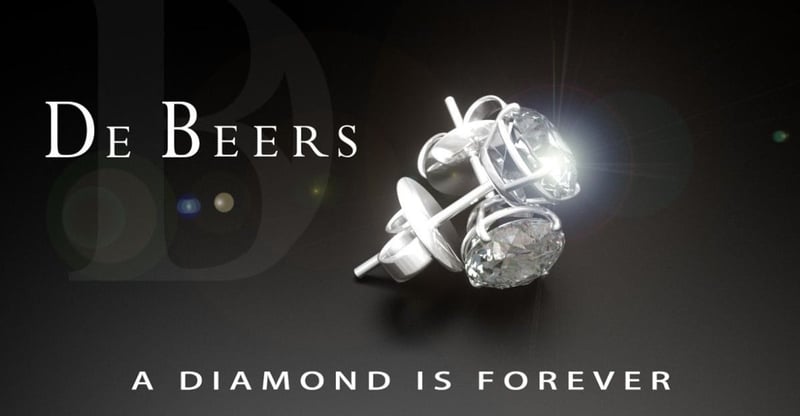
Niko Kougioumtzis, RAPT Creative strategist asks culture, pop culture, and the marketing mirror: which influences which? (Image source: © Professional Jeweller Professional Jeweller)
Advertising is sometimes described as a “mirror” of society, reflecting our existing values and norms, and other times as a “moulder” or shaper of society, actively influencing how we behave and what we believe.
Defining culture
One strong definition of culture comes from Unesco, which defines it as “the set of distinctive spiritual, material, intellectual and emotional features of society or a social group,” encompassing not only art and literature but also lifestyles, ways of living together, value systems, traditions and beliefs.
Popular culture, A.K.A. pop culture is a more specific idea. It refers to the common ideas, entertainment and trends that are widely liked or accepted by the majority of people in a society.
It includes things like popular music, movies, fashion, slang, and social media trends.
Understanding these terms makes it easier to discuss how outside forces – like marketing and advertising – interact with them.
When marketing shapes culture
Advertising and marketing campaigns have often left a lasting mark on culture by shaping habits, language, or social norms.
Here are a few notable examples:
- Diamond engagement rings
The now-traditional idea that a marriage proposal must involve a diamond ring was largely manufactured by marketing.
In the late 1930s and 1940s, the De Beers company ran its famous A Diamond Is Forever campaign, which successfully convinced the public that true love equates to a diamond engagement ring.
This campaign didn’t simply reflect an existing custom; it created a new cultural norm.
For example, in Japan, giving diamond rings wasn’t a custom at all until this campaign. In 1967, less than five percent of Japanese brides received a diamond ring; by the early 1980s, about 60% had undergone a huge cultural shift attributed to the advertising campaign.
- The image of Santa Claus
Today, everyone pictures Santa as a jolly, grandfatherly man in a red-and-white suit.
It was Coca-Cola’s advertising that helped cement the now-universal Santa image.
In 1931, Coca-Cola commissioned an illustrator to create ads featuring a warm, friendly, plump Santa dressed in Coca-Cola’s signature red. As a result, Coca-Cola’s Santa became the standard Santa Claus in the public imagination.
- Changing beauty standards
Decades of advertisements for beauty and personal care products have influenced what people consider attractive or normal.
For instance, in the early 2000s, Dove’s Campaign for Real Beauty attempted to push back against narrow beauty ideals by featuring women of diverse body types and ages in its ads.
This campaign sparked global conversations about body positivity and self-esteem.
- As a Harvard case study notes, Dove’s effort helped “change the culture of beauty advertising” by widening the definition of beauty in pop culture.
These cases demonstrate marketing’s moulding power. A clever and persistent campaign can introduce new rituals, shape how we celebrate or communicate, and even alter perceptions of value and identity in society.
When marketing borrows from culture
At the same time, marketers know that the best way to connect with an audience is to tap into existing cultural currents.
Some examples of this dynamic:
-
Aligning with social movements
Companies often incorporate social and cultural movements into their branding. A fairly recent example is Nike’s 2018 campaign featuring NFL player Colin Kaepernick, who had become an icon of the racial justice and police reform movement in the US.
Nike’s ad showed Kaepernick’s face with the text, Believe in something. Even if it means sacrificing everything. Just Do It.
In essence, Nike borrowed the symbolism of protest and courage from the culture and attached it to its slogan.
- Empowering messages and trends
As mentioned above, Dove’s Real Beauty campaign rode the wave of a broader cultural shift toward female empowerment and body positivity. Dove’s ads featured real women (not retouched supermodels) and talked honestly about self-image.
In doing so, the brand was clearly drawing from society’s growing demand for more inclusive and realistic portrayals of women. Dove essentially co-opted a positive cultural trend, the push for self-acceptance as a marketing strategy, which in turn made that trend even more visible.
Many other brands have done similarly.
For example, toy companies have introduced dolls with different skin tones and body shapes following cultural calls for diversity, and fashion brands have marketed modest clothing lines in response to discussions about cultural and religious inclusivity.
Each of these marketing moves takes inspiration from cultural changes or conversations already happening at the grassroots level.
- Pop culture references
Another way marketing borrows from culture is by using references from pop culture; popular movies, celebrities, songs, or memes to grab attention.
A tech commercial might include a quick reference to a hit Marvel superhero film, or a cereal brand might partner with a famous athlete or music star.
- These tactics work because they latch onto already existing excitement in the culture. Essentially, brands ride the coattails of pop culture moments.
In all these examples, the flow is from culture to marketing: the culture produces a value, trend, or icon, and then marketers incorporate it into their strategies.
A two-way street: Marketing and culture shape each other
This interplay can reinforce positive aspects of culture or spark useful conversations (for example, ads promoting environmental responsibility or public health can strengthen those cultural values).
In other cases, critics point out that marketing’s influence can be negative, for instance, perpetuating consumerism or harmful stereotypes.
The truth likely lies in the middle: marketing both mirrors and moulds, and its impact can vary by context.
In conclusion, marketing does not operate in a vacuum. It is deeply intertwined with culture both drawing inspiration from it and contributing to it.
Get new press articles by email
We submit and automate press releases distribution for a range of clients. Our platform brings in automation to 5 social media platforms with engaging hashtags. Our new platform The Pulse, allows premium PR Agencies to have access to our newsletter subscribers.
Latest from
- 2026 SME SA Funding Summit Calls On Tech Startups Seeking Practical Guidance Funding Opportunities And Support
- AI Now Powers Sixty Percent Of Global Warehouses Driving Major Shifts In Productivity Resilience And Jobs
- Steadying The SA Tourism Ship As Acting CEO Darryl Erasmus Prioritises Stability Growth And Global Competitiveness
- Times 3 Technologies Earns Sage Platinum Club Recognition For Driving Innovation And Sustainable Business Growth
- Private Equity Emerges As Powerful Driver Of Youth Empowerment And Transformation In South Africa
- Waterfall City Park Unveiled As A Leading Outdoor Events Hub Integrating Business Leisure And Culture
- Tourism SMMEs Urged To Maximise December Revenue Through Strong Digital Profiles And Memorable Experiences
- South African Skills Conference Celebrates National Candour Community Spirit And A Refreshingly Human Tone
- Dstv Confirms Loss Of Sixteen Warner Bros Discovery Channels Following Unsuccessful Contract Talks
- Landmark Cooperation Agreement Sees SA And Mozambique Expand Joint Efforts In Higher Education And Skills Growth
- New PayJustNow Insights Show South Africans Moving To Planned Value Driven Digital Shopping This Black Friday
- Lesotho Communications Authority Sanctions Vodacom For Unfair Airtime Practices Following User Complaints
- Time Out’s Joy Revolution Launches In South Africa Highlighting Joy As A Critical Brand Strategy For 2026
- Whitehouse & Continental Linen Achieves 100 Store Expansion Underscoring Commitment To Local Job Creation
- TDMC Unveils Record Black Friday Results Highlighting Strategic Digital Excellence And Consumer Momentum
The Pulse Latest Articles
- Unitrans Drivers Shine At Iveco #thankyoutrucker Awards (December 5, 2025)
- Fast, Connected, Screen-free: The Big Toy Trends Defining Christmas 2025 (December 4, 2025)
- Dezemba Coolerbox Culture: The Small Summer Swaps That Make A Big Difference (December 4, 2025)
- Amarantine Travels Launches Summer Season Tours Showcasing South Africa’s Culture, Coastline And Winelands (December 3, 2025)
- Steinmüller Africa Teams At Kriel And Majuba Hit 1 Million Rcr‑free Hours (December 3, 2025)